A Buyer's Guide to Wood Types on the Cairo WoodShow Floor
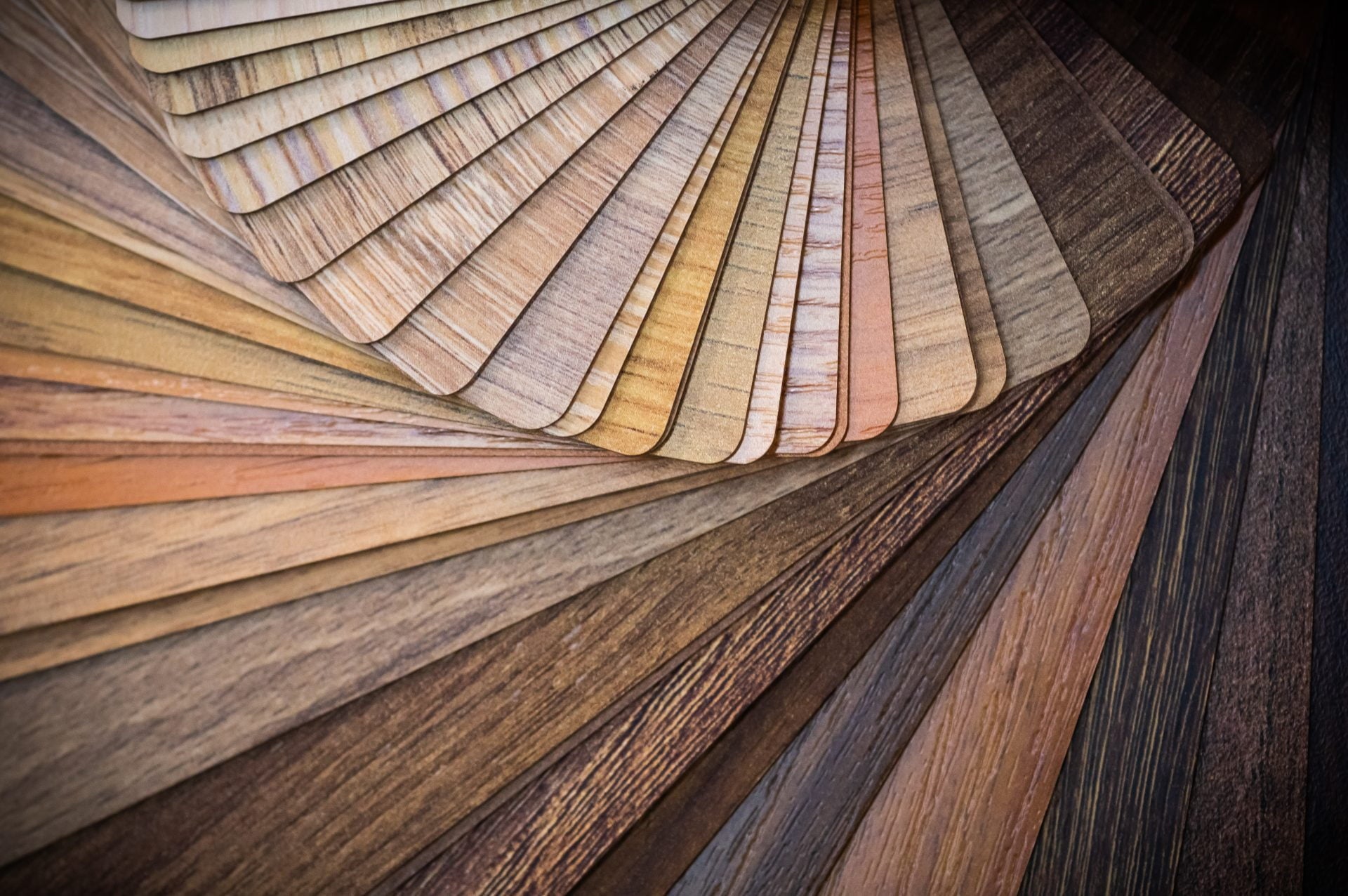
Sourcing raw timber and engineered boards is one of the most critical decisions for any furniture manufacturer, interior contractor, or architectural woodworker. The choice of wood dictates not only aesthetic appeal, but also structural durability, machining efficiency, finishing requirements, and overall project margin.
At Cairo WoodShow 2026 (November 26–29 at the Cairo International Convention Centre), international timber exporters, local importers, and board manufacturers display hundreds of wood grades and board specifications. Navigating the floor effectively requires knowing which material matches your exact application.
Here is a practical buyer’s guide to the primary wood categories and engineered boards you will evaluate on the show floor.
1. Natural Hardwoods: High-End Aesthetics and Durability
Hardwoods remain the primary choice for solid furniture, high-traffic flooring, and architectural joinery.
| Wood Species | Core Characteristics | Primary Applications | Procurement Consideration |
| European Beech (Red Beech) | Dense, uniform grain, excellent steam-bending capability, highly receptive to stains. | Classic furniture framing, chairs, doors, turned components. | Check moisture content (kiln-dried to 8–10%) to prevent movement post-processing. |
| European & American Oak | Prominent grain structure, high stability, superior wear resistance. | Executive desks, luxury cabinetry, flooring, hotel joinery. | Inquire about grading (FAS vs. 1 Common) to balance clear faces against yield cost. |
| Ash | Outstanding shock resistance, flexible, distinct prominent grain similar to oak. | Curved structural elements, tool handles, modern minimalist furniture. | Verify kiln drying consistency; ash is susceptible to uneven moisture retention. |
| Exotic Hardwoods (Teak, Walnut, Mahogany) | Rich natural colors, exceptional weather/moisture resistance, premium price point. | Yacht interiors, outdoor resort furniture, bespoke luxury pieces. | Must verify FSC or PEFC certification to ensure legal harvest compliance for export markets. |
2. Softwoods: Construction, Joinery, and Internal Structures
Softwoods provide cost-effective structural support, decorative cladding, and primary joinery framing.
- Swedish Pine (Redwood / Whitewood): Highly workable and economical. Ideal for internal sofa frames, rustic furniture, door cores, and wall paneling. Buyer Tip: Inspect for knot frequency and resin pockets that could bleed through light paint finishes.
- Douglas Fir & Yellow Pine: Higher density softwoods used for heavy structural timber, exterior pergolas, and architectural beams where strength is paramount.
3. Engineered Wood Panels: The Backbone of Modern Panel Processing
Engineered boards dominate modular cabinetry, kitchen manufacturing, and commercial interiors where dimensional stability is essential.
Medium-Density Fiberboard (MDF)
- Standard MDF: Smooth surface ideal for direct lacquering, painting, or melamine lamination.
- Moisture-Resistant (Green) MDF: Formulated with hydrophobic resins. Crucial for kitchen carcasses, bathroom vanities, and high-humidity environments.
- Fire-Retardant (Red) MDF: Required for public space fit-outs, hotel corridors, and commercial real estate projects meeting civil defense codes.
Plywood & Blockboard
- Birch Plywood: Superior core integrity with zero voids. Preferred for high-load shelving, CNC routing, and exposed-edge design furniture.
- Marine Plywood: Bonded with WBP (Water-Boil-Proof) phenolic resin for exterior exposure and wet environments.
- Blockboard (Latt) Panel: Solid wood strip core flanked by veneer faces. Lightweight with strong screw-holding power, making it the preferred core for heavy wardrobe doors and long shelving runs in regional markets.
4. Key Procurement Checklist for B2B Buyers
Before signing supply contracts on the exhibition floor, run through these four technical checks with timber merchants:
- Moisture Content (MC): Ensure timber is kiln-dried to 8–12% MC for North African and Middle Eastern indoor climate stability.
- Chain of Custody Certification: Ask for FSC or PEFC documentation if your finished products are intended for European export or LEED-certified projects.
- Core Density (for Boards): For MDF and particleboard, request density specs ($\text{kg/m}^3$). Higher core density ensures cleaner CNC routing without edge crumbling.
- Logistics & Minimum Order Quantity (MOQ): Confirm whether suppliers offer container-load direct shipping or local warehouse distribution for smaller recurring orders.